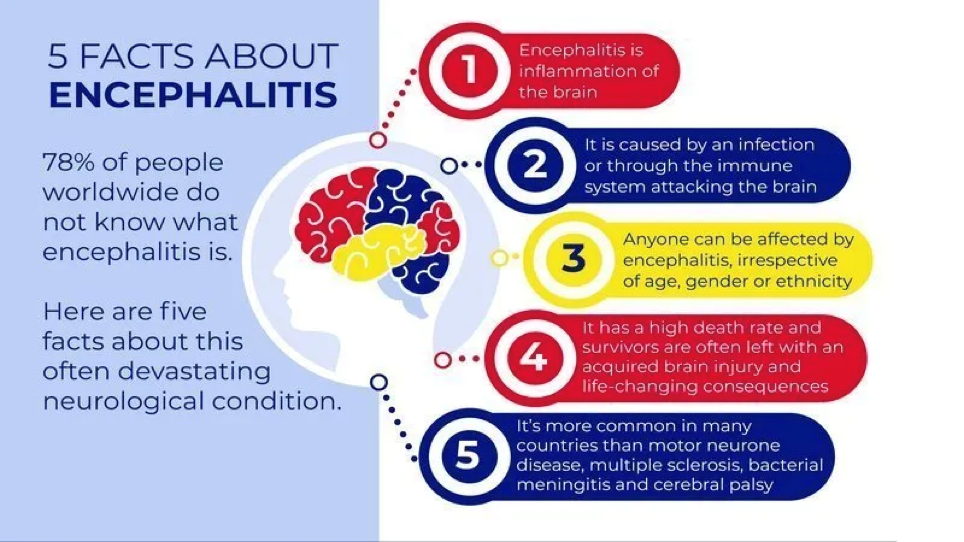

Encephalitis is a condition whereby a virus or autoimmune response causes inflammation to brain tissue. This often results in swelling, disruption to neural functioning and if left untreated, neuronal death. It is often diagnosed with brain scans (normally MRI) and lumbar punctures can also be done to test cerebrospinal fluid for signs of encephalitis. It is a fairly rare condition, typically affecting around 10-15 people per 100,000 per year which equates to around 4000-6000 people annually. If left untreated, the condition is very serious and globally around 10% of patients with encephalitis pass away, however this is likely a lot lower in the UK where healthcare is very good.
Acute phase:
Treatment will be started depending on the type of encephalitis, normally strong antivirals if they suspect a viral cause, antibiotics if bacterial, steroids, immunoglobulin (IVIG) and plasma exchange is autoimmune. In the early stage (first days to week) the patients may be medically unstable and have variable consciousness so struggle to engage in therapy. The priority here should be preventing secondary complications e.g. pressure sores, contractures and chest infections.
Subacute phase:
As their inflammation begins to subside, that is where the main bulk of the rehab will begin. They may start significantly disabled but can quickly improve due to neuroplasticity. They will likely be very fatigued so pacing will be important here.
Long term:
Mild cases typically resolve in 3-6 months. Moderate cases may require 6-18 months to reach full functional independence and severe cases can take >2 years and often will fully recover leaving them with a long term brain injury.