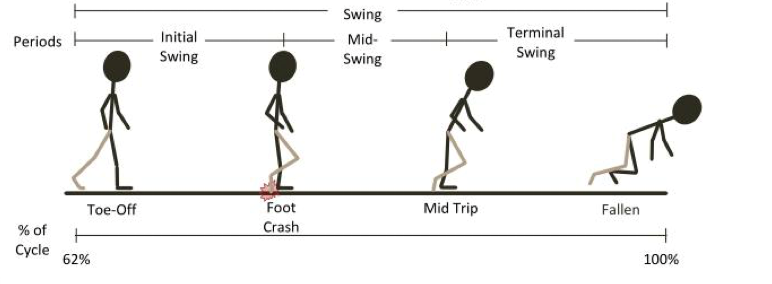
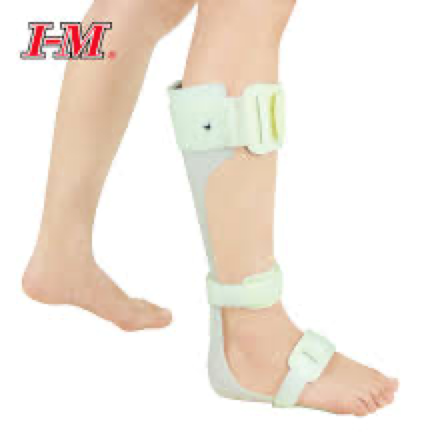
In the case of neurodegenerative conditions, dorsiflexion may not improve with rehab so you may need to look at compensations. There are certain splints called ankle foot orthosis that do exactly that. The aim of the splint is to keep the ankle around 90 degrees to compensate for drop foot, allow more of a natural heel strike when walking and prevent tripping.
They can also be a tool in rehab. For some patients who are relearning to walk, repetitive dorsiflexion can be very taxing and take a lot of conscious thought. You can issue an AFO in the short term to focus on different aspects of their gait cycle if they find focusing on too many movements overwhelming.
I personally have seen night and day difference between how patients walk with and without AFOs. They can give people the confidence to do tasks they otherwise wouldn’t have and greatly reduce the incidence of falls. Before issuing one of these, a trained therapist will need to determine that there is a significant dorsiflexor weakness causing tripping.
If for example, a patient is falling often due to losing balance and falling backwards then the AFO will not be useful in preventing these falls.